As more homeowners look for flexible ways to create additional living space, garden annexes have become increasingly popular. Whether used for independent family living, guest accommodation, or long-term multi-generational arrangements, these spaces offer a practical alternative to moving home or extending the main property.
During research, many people notice both “garden annex” and “garden annexe” being used online, which often creates confusion. In reality, both spellings refer to the same type of structure, with the difference simply coming down to variation in spelling rather than meaning.
Understanding what qualifies as a garden annex, how these buildings are used, and what to consider before investing can help homeowners decide whether this type of space is the right fit for their property.
Garden annex or garden annexe?
The terms “garden annex” and “garden annexe” are interchangeable. “Annexe” is the more traditional British spelling, while “annex” is often used as a shorter alternative. Both refer to a detached building designed to provide additional living accommodation within the grounds of a property.
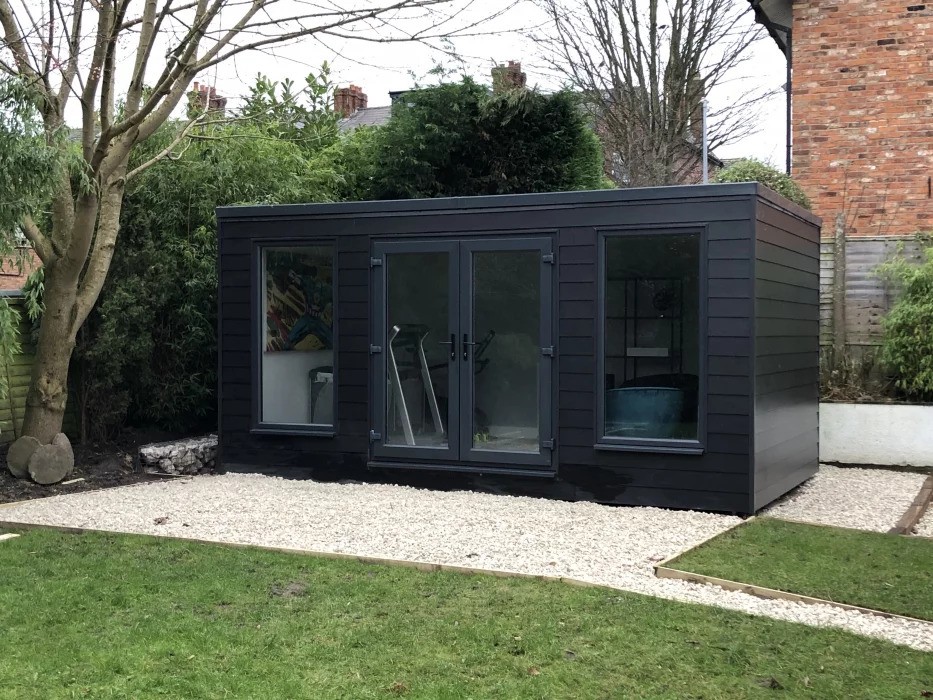
A modern garden annex is usually far more than a simple outbuilding. These spaces are often designed to include sleeping areas, bathrooms, living space, and in some cases kitchen facilities, allowing them to function as comfortable and practical accommodation.
For homeowners exploring different independent living options, the Garden Annex page provides examples of layouts and styles suited to modern family living.
What qualifies as a garden annex?
A garden annex is generally designed to support day-to-day living rather than occasional use. This is one of the main differences between a garden annex and a standard garden room.
While a garden room may be used as a gym, office, or hobby space, a garden annex is intended to provide genuine living accommodation. This often means higher levels of insulation, additional utilities, and more practical layouts designed around long-term comfort.
Because of this, many homeowners view a garden annex as a long-term investment that can adapt alongside changing family requirements.
Why are garden annexes becoming more popular?
Changing living arrangements are one of the biggest reasons demand for garden annexes has increased in recent years. Many households are looking for practical ways to support elderly relatives, adult children, or guests while still maintaining privacy and independence.
A garden granny annexe offers a solution that keeps family members close without requiring them to live directly within the main house. For many families, this creates a better balance between independence and support.
At the same time, homeowners are becoming more conscious of the cost and disruption involved in moving house. Creating additional living accommodation within the existing property often feels like a more flexible and long-term solution.
Common uses for a garden granny annexe
One of the main advantages of a garden granny annexe is flexibility. These spaces can be adapted to suit a wide range of household needs, both now and in the future.
Some homeowners use garden annexes for elderly relatives who want independent living while remaining close to family. Others create guest accommodation, temporary living space for adult children, or flexible areas that may evolve into home offices or leisure rooms over time.
The ability to adapt the space is one of the reasons garden annexes continue to appeal to a broad range of homeowners.
Insulation and year-round comfort
Comfort is one of the most important considerations when planning a garden annex. Unlike seasonal outdoor rooms, annexes are intended for regular daily use, which makes insulation essential.
Proper insulation helps regulate temperature throughout the year, creating a space that feels comfortable during both colder and warmer months. It also improves energy efficiency and contributes to sound reduction, helping the annex feel more like a natural extension of the home.
For homeowners comparing different specifications, the Insulated Garden Rooms range demonstrates how insulation supports long-term usability across modern garden structures.
Planning and practical considerations
Planning permission requirements for garden annexes can vary depending on size, intended use, and local authority guidance. Because annexes are designed for living accommodation, they may involve additional planning considerations compared to standard garden rooms.
Utilities, drainage, access, and positioning within the garden should all be considered carefully during the planning stage. A well planned annex should feel integrated with the property while still offering privacy and separation.
Taking the time to consider these details early on helps avoid limitations later and ensures the finished space functions effectively for everyday living.
Garden annexes compared to garden rooms
Although garden annexes and garden rooms share similarities, they are designed with very different purposes in mind. Garden rooms are typically focused on work, fitness, or leisure, while garden annexes are intended to support independent living.
This affects everything from layout and insulation to facilities and utilities. Understanding how the space will actually be used is essential when deciding which option is most appropriate.
For homeowners comparing different outdoor living solutions, the Garden Rooms collection highlights a range of layouts and applications beyond annex living.
Explore garden annex options
A well designed garden annex offers a flexible way to create additional living accommodation while maintaining privacy and independence.
Whether used as a garden granny annexe, guest accommodation, or long-term family space, the right design can add both practicality and long-term value to a property.
You can explore different layouts through the Garden Annex range or browse the wider Garden Rooms collection for additional inspiration.
If you would like guidance on planning a garden annex for your property, you can also contact National Home & Garden to discuss your requirements in more detail.