Garden Annex vs Conservatory Extension: Which Is Best for Extra Living Space?
When extra living space becomes a priority, homeowners are often faced with a choice between extending their existing property or creating a separate structure in the garden. Two popular options are a garden annex and a conservatory extension, each offering different benefits depending on lifestyle, budget, and long-term plans.
Understanding the differences between these options can help homeowners make a more informed decision, particularly when the space is intended for regular use or independent living.
What Is A Garden Annex?
A garden annex, sometimes referred to as a garden annexe or granny annexe, is a self-contained building located within the garden. It is typically designed to function as an independent living space and may include a bedroom, bathroom, living area, and sometimes a kitchenette.
Garden annexes are often used to accommodate relatives, guests, or older family members, offering privacy while keeping loved ones close. They are also used as flexible living spaces that can adapt as household needs change.
You can explore examples on the Garden Annexes page, which highlights layouts designed for long-term occupation.
What Is A Conservatory Extension?
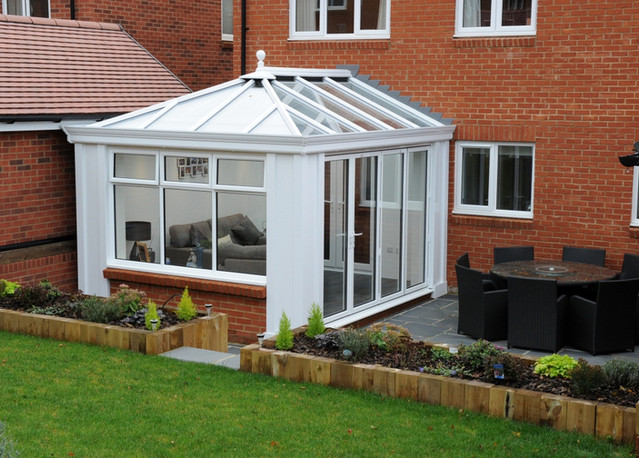
A conservatory extension is an addition to the main house, usually built onto the rear or side of the property. Traditionally constructed with a high proportion of glazing, conservatories are designed to bring in natural light and create a visual connection with the garden.
Conservatories are often used as additional living or dining spaces rather than independent accommodation. While modern designs have improved insulation and usability, conservatories are still typically connected directly to the main house.
Comparing Usability And Comfort
One of the main differences between a garden annex and a conservatory extension is how the space is used day to day. A garden annex is designed for regular, independent use, with insulation, heating, and services similar to a standard home.
A conservatory extension, while useful as extra space, may feel less private and can be more affected by temperature changes, particularly in older builds. Even with modern materials, conservatories often function best as occasional living spaces rather than full-time accommodation.
For homeowners needing a space that can be used year-round without compromise, a garden annex often provides greater comfort and flexibility.
Planning Permission And Regulations
Planning requirements vary for both options. Garden annexes may require planning permission, particularly if they include sleeping accommodation or kitchen facilities. However, they are often assessed as separate structures rather than extensions to the main house.
Conservatory extensions may also require planning permission, depending on size, height, and location. Building regulations apply to both options, especially where insulation, electrics, and plumbing are involved.
Understanding planning requirements early can help avoid delays and ensure the chosen option aligns with long-term goals.
Cost Considerations
Cost is a major factor when comparing a garden annex and a conservatory extension. Conservatories can appear more affordable initially, particularly for smaller builds, but costs can rise when improved insulation, heating, and structural upgrades are required.
Garden annexes often involve a higher upfront investment, especially when designed for independent living. However, they typically offer greater long-term value, particularly when used as accommodation for relatives or future resale potential.
Flexibility And Long-Term Value
A key advantage of a garden annex is flexibility. Over time, the space can be adapted for different uses, such as guest accommodation, a home office, or rental potential, depending on regulations.
Conservatories are more limited in this respect, as they remain part of the main house and are less adaptable for independent use.
Estate agents increasingly view high-quality garden annexes as desirable features, particularly as demand grows for flexible living arrangements.
Which Option Is Right For You?
The best choice depends on how the space will be used. If the goal is independent living, privacy, or accommodating family members long-term, a garden annex is often the more suitable option.
If additional living space connected to the house is the priority, and year-round use is less critical, a conservatory extension may still be a practical solution.
For homeowners exploring independent living options, the Garden Annexes range provides examples of layouts designed with comfort and long-term use in mind. Those considering extensions may also want to compare with traditional conservatory extensions to assess suitability.
Making An Informed Decision
Both options can add value when designed well, but their benefits differ significantly. Considering comfort, privacy, future flexibility, and planning requirements will help ensure the chosen solution meets both current and long-term needs.
By weighing these factors carefully, homeowners can invest in additional living space that genuinely supports their lifestyle and enhances their property.
How National Home & Garden Can Help?
Choosing between a garden annex and a conservatory extension is an important decision, particularly when long-term comfort, privacy, and usability are priorities. Understanding how each option works for your property, garden size, and future plans can help avoid costly compromises.
Explore our self contained living options and Garden Annexes range. If you would like tailored advice on planning, suitability, or which solution best meets your needs, you can contact National Home & Garden to speak with our team.