How to Build a Garden Gym Room: Costs, Design Ideas and Real-World Layouts
Creating a dedicated workout space at home has become an increasingly popular alternative to crowded gyms and limited indoor setups. For homeowners looking for privacy, flexibility, and a space designed around their routine, a garden gym room offers a practical and long-term solution.
Over the past decade, garden rooms have seen a significant rise in demand. Rightmove reports a 1,046% increase in property listings mentioning garden rooms, driven largely by hybrid working and the need for flexible, separated space at home.
As more people look to maximise their property without moving, these detached buildings are increasingly viewed as cost-effective alternatives to extensions.
While garden offices have led this shift, with 22% more searches for properties featuring them compared to pre-pandemic levels, the appeal of garden rooms now extends well beyond work.
Home gyms have become one of the most popular uses, offering a private, convenient way to train without sacrificing space inside the house.
A gym room in the garden allows homeowners to create a dedicated fitness environment that supports consistency, comfort, and long-term use, while keeping noise and equipment away from everyday living areas.
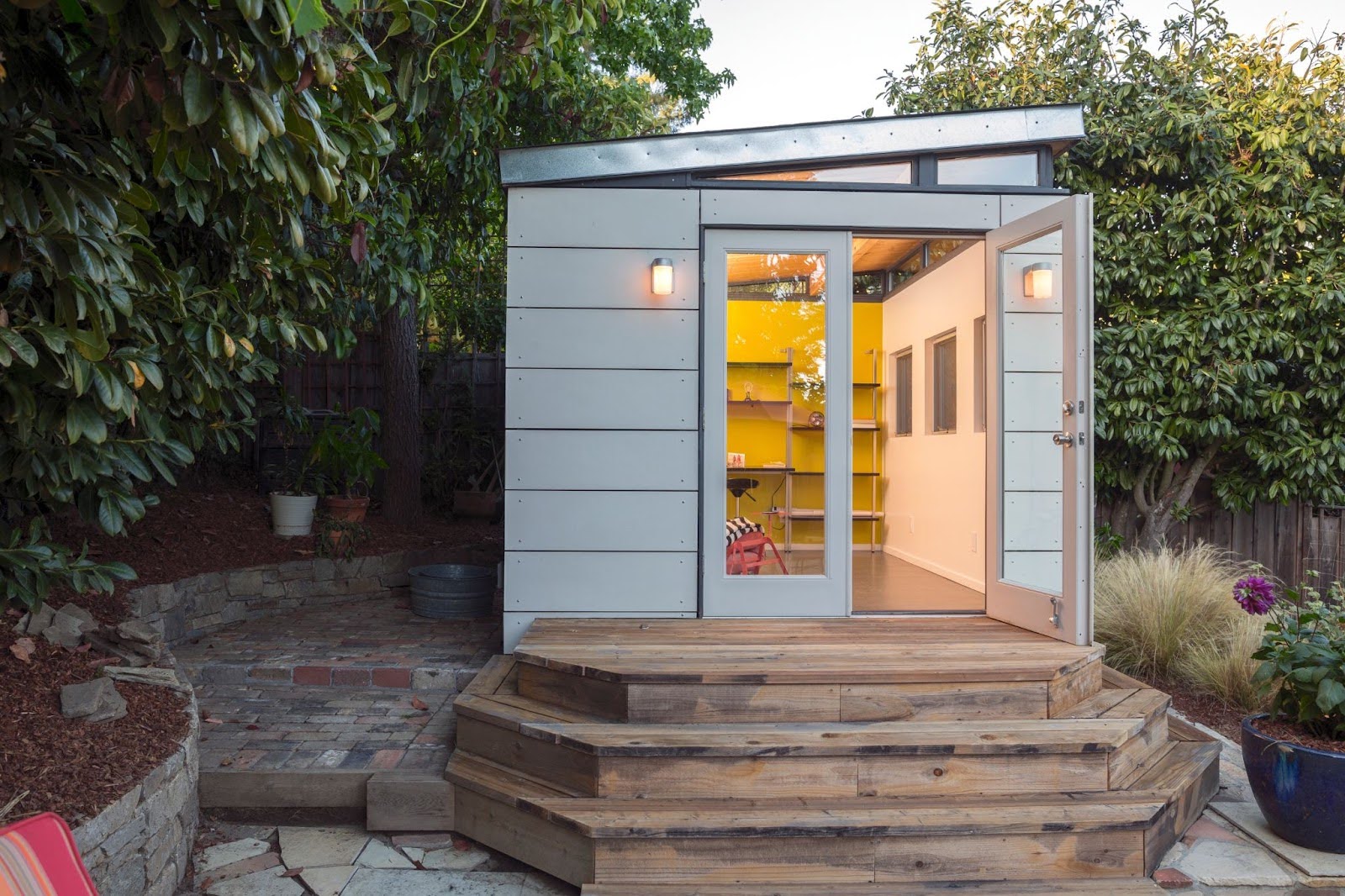
Why A Garden Room Gym Works So Well
One of the biggest advantages of a garden room gym is separation. Training away from the main house creates a clear mental and physical boundary, helping people stay consistent with their workouts while keeping noise, equipment, and disruption out of shared living spaces.
Compared to converting a spare bedroom or garage, a home gym garden room can be purpose built. Ceiling height, ventilation, flooring, and layout can all be designed specifically for exercise rather than adapted to fit an existing room. This makes the space safer, more comfortable, and far easier to use year-round.
For homeowners comparing indoor vs outdoor gym options, a garden gym room often provides greater flexibility without permanently altering the layout of the home.
If fitness is the main priority, check out our Garden Gym Rooms range, designed specifically around these practical requirements.
Planning The Right Size And Layout
The size of a gym room in the garden depends largely on how you plan to train. Cardio equipment, yoga, and functional workouts may suit a more compact layout, while free weights and strength training usually require additional floor space and higher ceilings.
Planning the layout in zones can help the room feel organised and safe. Separating areas for weights, cardio, and stretching reduces clutter and lowers the risk of injury. Wall-mounted storage, mirrors, and fold-away equipment can also help maximise usable space.
Some homeowners plan their gym room to evolve over time. With the right layout and services in place, the space can later be adapted for different uses, such as a games room or combined gym and studio.
Flooring, Soundproofing, And Durability
Flooring is one of the most important elements of a garden gym room. It needs to absorb impact, support heavy equipment, and remain stable under repeated use. Rubber flooring is a popular option for weight training, while reinforced subfloors provide additional strength and longevity.
Soundproofing is another key consideration, especially if workouts take place early in the morning or late in the evening. Insulated walls, solid doors, and acoustic finishes can significantly reduce noise transfer, helping keep the space neighbour-friendly.
Ventilation should also be carefully planned. Exercise generates heat and moisture, so good airflow is essential for comfort and to protect the structure over time.
The Importance of Insulation for Year-Round Use
A gym room that is too cold in winter or too warm in summer quickly becomes unused. Proper insulation helps regulate temperature, reduces condensation, and improves comfort throughout the year.
An insulated garden gym room also improves sound control and energy efficiency, making it more suitable for regular training. This growing demand for high-quality, insulated garden buildings is expected to continue into 2026, as homeowners prioritise flexible spaces with electricity, internet, and long-term usability.
Many homeowners choose specifications similar to those used in home office garden rooms, where comfort and daily use are equally important.
Understanding Costs and What Affects Pricing
The cost of a garden gym room depends on several factors, including size, insulation level, materials, and internal finishes. Smaller gym rooms with standard specifications may be more affordable, while larger, fully insulated builds with reinforced flooring and bespoke layouts will sit at a higher price point.
Additional costs can include groundwork, electrical installation, specialist flooring, ventilation systems, and soundproofing. While it may be tempting to reduce upfront spend, investing in durability and insulation often leads to a more usable space with lower maintenance over time.
Well designed garden rooms are increasingly seen by estate agents as a “wow” feature, improving property desirability and offering a convenient alternative to loft conversions or internal reconfiguration.
Planning Considerations and Future Flexibility
Many garden gym rooms can be built under permitted development rights, depending on size, height, and location within the garden. It is important to consider boundaries, access, and how the building will sit alongside the rest of the outdoor space.
Some homeowners plan for future adaptability. With the right design, a gym room can later become an annexe, hobby space, or room with integrated storage, extending its long-term value.
Designing a Gym You Will Actually Use
The most successful garden gym rooms are designed around real habits rather than ideal routines. Lighting, layout, heating, and storage all influence how often the space is used. A gym that feels comfortable, practical, and easy to access is far more likely to support long-term fitness goals.
Simple design choices, such as clear access paths, good natural light, and uncluttered layouts, can make a noticeable difference to motivation and consistency.
Explore Garden Gym Room Options
A well designed garden gym room combines durability, comfort, and flexibility while fitting naturally into your outdoor space. Whether you are planning a compact training room or a fully equipped gym room in the garden, choosing the right structure from the outset helps ensure long-term value.
To explore purpose-built options designed specifically for fitness, view the Garden Gym Rooms range and see how different layouts and specifications can support your training goals.