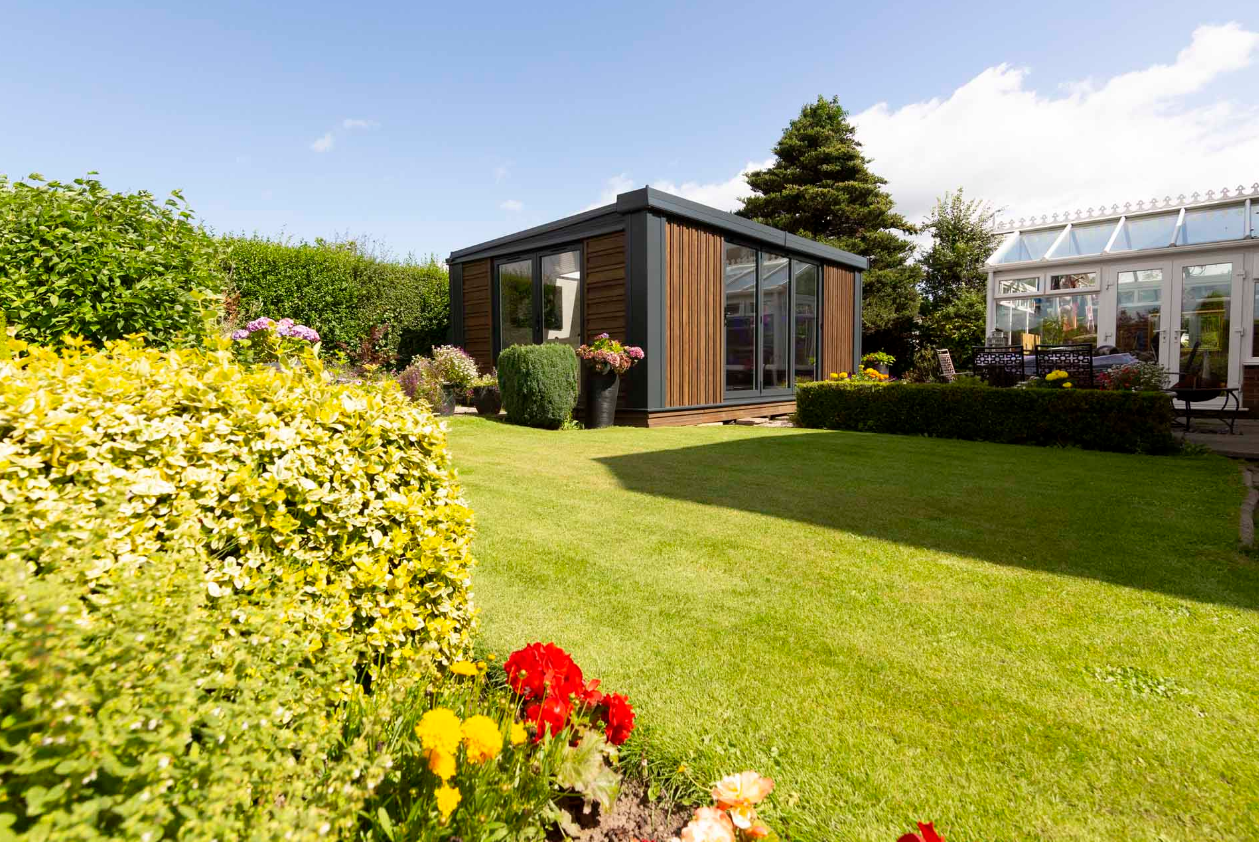
The Complete Guide to Garden Rooms: Types, Costs and Planning Tips
Garden rooms have become one of the most flexible ways to add usable space to a home, without the disruption of a full extension.
Whether used as a home office, gym, or a quiet retreat from the main house, a well designed garden room can transform how you use your outdoor space.
With more options available than ever, choosing the right type of garden room now involves more than just size and appearance.
Insulation levels, intended use, planning considerations, and overall costs all play a key role in making the right decision.
For homeowners at the early research stage, understanding what you hope to gain from your garden room can change these factors clearly and can help avoid expensive mistakes later on.
Whether you are comparing insulated garden rooms or considering a tailored design, the aim is to help you plan with confidence, knowing you’re leaving with the garden room you need.
What Is a Garden Room?
A garden room is a standalone structure built within your garden, separate from the main house.
Unlike traditional sheds or outbuildings, modern garden rooms are designed for regular use and long-term comfort.
Many include insulation, electricity, and high-quality glazing, allowing them to function as practical living spaces rather than simple storage and the added expense of an extension.
Garden rooms can be designed in a wide range of sizes and styles, from compact rooms intended for focused work, to larger spaces that act as an extension of the home.
This flexibility makes them suitable for both small gardens and larger outdoor spaces.
Different Types of Garden Rooms
There are several types of garden rooms available, each suited to different uses and budgets. Understanding the differences can help narrow down the right option early on.
Insulated garden rooms:
Insulated garden rooms are designed for year-round use.
They include insulation within the walls, roof, and floor, alongside double or triple glazed doors and windows. This helps maintain a comfortable internal temperature throughout the seasons.
These garden rooms are often chosen for home offices, studios, or therapy rooms, where regular use and comfort are essential.
For many homeowners, an insulated garden room offers the most practical balance between cost and usability.
Tailored garden rooms:
Custom garden rooms are custom designed to suit your garden layout, property style, and intended use.
Everything from the size and shape to materials and finishes can be tailored, creating a space that feels more integrated with the home.
This option works particularly well where standard designs do not fit the garden, or where the room needs to serve multiple purposes.
Customised garden rooms often provide greater flexibility but usually come at a higher cost.
Garden room extensions:
Garden room extensions are typically larger structures that feel closer to a traditional extension, while still being positioned separately from the main house.
These may include additional features such as bathrooms, storage areas, or integrated heating systems.
Because of their size and specification, garden room extensions may require additional planning considerations, but they can add significant long-term value when designed carefully.
How Much Do Garden Rooms Cost?
The cost of a garden room depends on a number of factors, including size, level of insulation, materials, and how bespoke the design is.
Smaller garden rooms with basic specifications may cost several thousand pounds, while larger insulated or bespoke garden rooms can reach into the higher price ranges.
Additional costs may come from groundwork, electrical installation, internal finishes, and access to the garden.
Uneven ground or restricted access can increase preparation costs, so this is worth considering early on.
While budget is always important, focusing solely on the initial price can be a worry. Investing in insulation, quality materials, and durable construction often results in a more comfortable space with lower running costs and long lasting quality.
Planning Permission and Regulations
Many garden rooms can be built under permitted development rights, meaning planning permission is not always required.
This depends on factors such as the size of the structure, its height, proximity to boundaries, and how it will be used.
Garden rooms intended for sleeping accommodation or those positioned in more prominent locations may require planning approval. Building regulations may also apply, particularly for insulated garden rooms with electrical installations.
Checking planning and regulatory requirements with your local council before committing to a design can help avoid delays and ensure the project runs smoothly from start to finish.
Choosing The Right Garden Room For Your Needs
Before deciding on a design, it helps to consider how the space will be used now and how that might change in the future.
A garden room designed purely as a home office may have very different requirements from one intended as a gym or relaxation space.
Natural light, heating options, ventilation, and storage all play a role in how comfortable and practical the room will feel.
For all year round use, insulation and airflow should be prioritised. For flexible or multi-purpose spaces, thoughtful layout and power placement can make a significant difference.
The relationship between the garden room and the rest of the garden is also important.
Positioning, access paths, and privacy can all affect how often the space is used and how well it integrates with outdoor living.
Explore Garden Room Options For Your Home
A well designed garden room should feel like a natural extension of your home, shaped around how you live and how you plan to use the space over time.
Whether you are exploring insulated garden rooms for all year round use or considering a tailored garden room design, the right solution comes from clear planning and the right level of guidance.
To explore the full range of garden rooms, including insulated and tailored options designed for long-term use, view our Garden Room Collection.
If you would like advice on design, specification, or suitability for your garden, you can also
contact the National Home & Garden team to find out more information or to discuss your requirements in more detail.